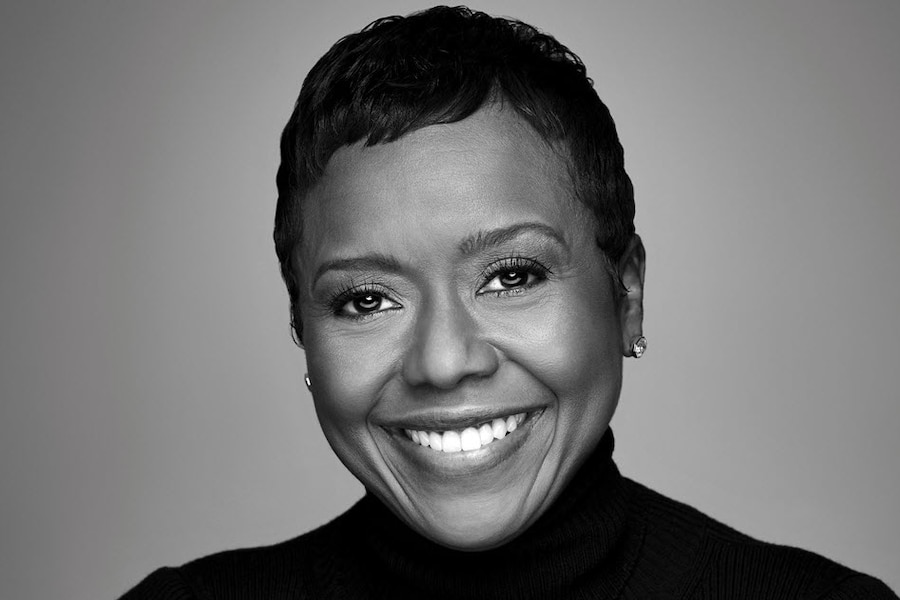
Mellody Hobson is one of America’s most influential business leaders—co-CEO of Ariel Investments, former board chair of Starbucks and Dreamworks Animation—and a passionate advocate for financial education and inclusion. In this candid conversation, Mellody shares how her early experiences shaped her views on money, the importance of transparency, and practical steps anyone can take to lay the foundation for generational wealth.
You’ve often spoken about growing up with limited financial resources. How did those early experiences shape your views on money and wealth?
I grew up as the youngest of six, raised by a single mom. We struggled—evictions, disconnected utilities, and constant uncertainty. Those experiences made me determined to understand money and financial security. I realized early on that it wasn’t about how much you have, but how smart you are with it. My mother, though wonderful, wasn’t trained in financial matters. She’d buy Easter dresses instead of paying the light bill. I wanted to be “big” so I could take control.
Despite financial troubles, your mother taught you practical money lessons. How did that change your trajectory?
My mom demystified money—there were no secrets. We talked about it openly, and she made sure I understood the value of things. She’d hand me money at restaurants and have me pay, count change, and calculate tips, even when I was little. That awareness was a gift, even if it came with some trauma. It made me determined to never let “past due” notices happen in my own life. I learned how credit worked and saw the benefits of financial literacy.
What lessons have you passed on to your daughter, and what have you changed?
My daughter’s experience is different—less stress, more resources. So I anchor what’s expensive and what isn’t, even if we can afford it. I want her to know that it’s not about instant gratification; it’s about making honest, age-appropriate decisions. A friend of mine once told me a story about her daughter that I use as a reference. The daughter was in high school and asked for an expensive designer purse. When the mother said “No,” the daughter responded, “Why not, we can afford it!” The mother then replied, “We can afford to buy you a diamond necklace too, but neither are appropriate.”
What are the biggest barriers to financial literacy today, and how can we overcome them?
Families often think they’re protecting children by keeping money troubles hidden, but that’s a barrier to understanding. Adults pass down money fears, and if you overspend, your kids likely will too. The lack of financial literacy in schools is also a huge challenge. That’s why I wrote my book, Priceless Facts About Money—and it was also my hope that parents and kids would read it and learn together.
What role does financial literacy play in building generational wealth?
Financial literacy is foundational. Wealthy families often lose their money by the third generation because they don’t teach financial skills. The same happens in families with fewer resources—poverty becomes perpetual. Financial literacy isn’t just a class issue; it’s a human condition. Money is part of life, like oxygen.
If a family wanted to start building generational wealth today, what’s the first step you’d recommend?
Be open about your financial situation—use every opportunity to teach. Then, start small with saving and investing. Even saving 50 cents a day adds up. Everyone wastes money, rich or poor. It seems impossible at first, but you get smarter with your money and small habits can become big savings over time.
What are some misconceptions about building generational wealth?
People hear “wealth” and think it’s unattainable. But wealth is relative. Take Oseola McCarty, a woman in Mississippi who worked as a washerwoman and made very little money her whole life but left $150,000 as a scholarship for African American students in need. You don’t need a lot of money to be financially literate or to save and invest—smart saving is key.
With the widespread prevalence of sports betting today, some young people may mistakenly equate it with investing. What guidance would you offer them?
There’s no getting rich quick. If it sounds too good to be true, it is. I’m not a fan of gambling—the house usually wins. I’d rather people buy stock in the sports betting apps than place bets in them. Real wealth creation takes time and discipline.
You’ve talked about “Active Patience.” What does that mean for building wealth?
At Ariel, our turtle logo stands for “slow and steady wins the race.” Active patience isn’t about doing nothing—it’s about staying engaged, making thoughtful decisions, and putting in the effort to stick with your plan even when it’s hard. Patience takes work, but it’s essential for long-term success.
What role do corporations play in preparing families for generational wealth?
The workplace is often where people start investing—401(k)s, auto-enrollment, and matching help people save for the long term. Your financial future is tied to your job, and workplace plans are gateways to investing. They play an important role in building that foundation.
Take steps in your journey towards financial security
Managing your money can be complicated. That's why we're here to help.
More from Charles Schwab

How crypto curiosity can become an investing onramp

The newest family CFO? Gen Alpha