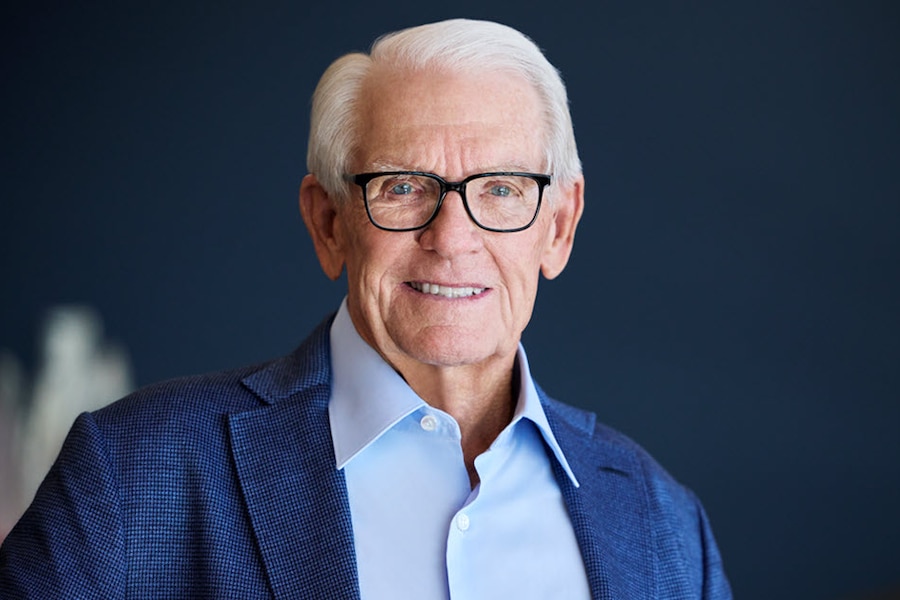
When Charles R. “Chuck” Schwab was recognized as one of Forbes’ 250 Greatest Innovators in America, it wasn’t just a nod to a remarkable career. It was a celebration of a mindset: one that has challenged convention, empowered investors and reshaped an entire industry.
Because Chuck didn’t just build a company. He cracked open Wall Street—and then held the door wide open.
Over the years Wall Street has changed. Investors’ mindsets have changed. And Schwab keeps changing with them—using technology, education, and imagination to build what’s next. Innovation isn’t just a moment in Schwab’s history; it’s the strategy for its future.
The original disruptor
In the early 1970s, investing was expensive, opaque, and largely reserved for the wealthy. Fixed commissions and entrenched norms made Wall Street feel impenetrable to everyday investors.
Then came May 1, 1975 (better known as May Day), a day that would forever change investing. After the SEC deregulated brokerage commissions, most firms raised prices for individual investors. Chuck went the other way, cutting fees by more than half and introducing a radically different model—one built on transparency, access, and trust.
That decision didn’t just disrupt the industry. It democratized it.
By pioneering discount brokerage and putting clients—not commissions—at the center, Chuck helped transform investing from an exclusive club into an opportunity open to millions of Americans.
Innovation that keeps moving
Being named one of America’s greatest innovators isn’t about looking back. It’s about recognizing an idea that still has momentum. What makes Chuck’s story remarkable isn’t just that he disrupted Wall Street once—it’s that he never stopped challenging the status quo.
Schwab was among the first firms to embrace technology and automation to scale access and efficiency, deliver 24/7 order entry and real‑time information, and push the industry toward lower and then eventually zero trading commissions (a move that once again forced the rest of Wall Street to follow).
Each shift was guided by the same question Chuck has asked for decades: Is this better for investors? If the answer was yes, Schwab moved.
The throughline from Chuck’s earliest decisions to today’s client‑focused innovation is one reason the recent Forbes recognition feels so fitting.
Chuck’s belief that investing should work for people, not the other way around, remains the engine behind Schwab’s evolution.
A legacy bigger than one person
That founding spirit of innovation isn’t frozen in time; it’s alive in how Schwab operates today.
National Investing Day was created to honor the May Day turning point Chuck helped to ignite as well as his legacy as the original democratizer of investing. It’s a reminder that opening Wall Street wasn’t a one‑time disruption, but an ongoing commitment to help more people see themselves as investors and take part in shaping their financial futures.
As President and CEO Rick Wurster has put it, “We’re already winning with young investors. They want to learn, plan, and invest for the long term—and they’re turning to Schwab because we meet them where they are.”
The philosophy of meeting investors where they are and building for where they’re going echoes Chuck’s original vision. From intuitive digital tools to education-first experiences and modern financial planning, Schwab continues to innovate not for novelty’s sake, but to help investors move forward with confidence.
Innovation at Schwab has never been about chasing trends. It’s about building trust that lasts.
More from Charles Schwab

The tradeoffs between betting and investing

Why cash can feel like fun money to young spenders.